BC
BC





January 22, 2026 | British Columbia
Choosing a career in health care does not always mean committing to years of university education. For many people in British Columbia, dental assisting offers a practical, respected, and rewarding path into the health sector with a clear training to employment route. The Dental Assistant Program in British Columbia is designed to prepare students for real clinical environments, professional certification, and long term career stability.
Dental assistants are essential members of dental teams. They support patient care, assist dentists during procedures, manage infection control, and help clinics run smoothly every day. With strong demand across the province and a defined certification process, dental assisting continues to attract students looking for meaningful work, reliable income, and career growth.
This guide covers everything you need to know about the Dental Assistant Program in British Columbia, including demand, wages, job duties, certification steps, and how programs like the Dental Assistant Program at CDI College BC support student success.
Why Study Dental Assistant in British Columbia (BC)
British Columbia is one of the most attractive provinces in Canada to pursue dental assisting. These are the reasons why:
A Strong Healthcare Environment
British Columbia is one of the most attractive provinces in Canada for dental assisting because of its well established healthcare system and steady demand for oral health services. A growing and aging population, combined with increased awareness of dental health, means clinics across the province rely heavily on trained dental assistants to deliver consistent patient care.
A Clear Path to Certification
One of the biggest advantages of studying dental assisting in BC is the structured and regulated certification process. The profession is supported by national and provincial regulatory bodies, which makes the pathway straightforward. Students know exactly which education is required, which exam they must pass, and how to become licensed as a Certified Dental Assistant.
Employment Stability
Dental care is considered an essential health service. Preventive treatments, restorative procedures, and ongoing oral health care continue regardless of economic conditions. This gives dental assisting a level of stability that many other careers do not offer, making it a reliable long-term choice.
Flexible Work Locations
British Columbia offers a wide range of employment settings. Graduates can work in large urban centres such as Vancouver and Surrey, as well as in smaller cities, coastal towns, and rural communities. Many clinics actively seek certified dental assistants, especially those with strong hands-on training and clinical experience.
A Short, Career Focused Program
For students who want to enter healthcare without spending years in school, CDI College’s Dental Assistant Program in British Columbia offers a practical balance of speed, skill development, and professional recognition. Most programs can be completed in about one year, allowing graduates to enter the workforce quickly.
For students who want a health care career without long academic timelines, the Dental Assistant Program in British Columbia offers a balanced combination of speed, skill development, and professional recognition.
Is Dental Assisting in Demand in British Columbia?
Yes. Dental assisting is in strong and sustained demand across British Columbia. These are the reasons why:
Strong Provincial Job Outlook
Dental assisting is in strong and sustained demand across British Columbia. WorkBC labour market projections estimate more than two thousand job openings for dental assistants and dental laboratory assistants between 2024 and 2034. These openings reflect both industry growth and the need to replace retiring professionals.
An Aging Population
British Columbia’s population is aging, and more people are keeping their natural teeth longer than previous generations. This trend leads to more frequent dental visits and increasingly complex treatment needs, which directly increases demand for dental assistants.
Growth in Preventive Care
Public awareness of the link between oral health and overall wellness continues to grow. More patients are attending regular dental checkups and preventive treatments, creating a higher workload for dental clinics and greater reliance on trained dental assistants.
Rising Interest in Cosmetic Dentistry
Cosmetic procedures such as whitening, veneers, and restorative treatments are becoming more common. These procedures require skilled dental assistants to support dentists, manage equipment, and ensure patient comfort throughout treatment.
Expanded Scope of Practice
Certified Dental Assistants in BC have an expanded scope of practice that includes intra oral duties. This allows clinics to operate more efficiently and serve more patients, increasing the value of certified professionals within dental teams.
Opportunities Across the Province
While the highest concentration of jobs is in the Mainland and Southwest region, steady employment opportunities also exist on Vancouver Island, in the Thompson Okanagan, the Cariboo, and the Kootenays. In rural and remote areas, certified dental assistants are often especially in demand.
What Does a Dental Assistant Do in BC?
Dental assistants in British Columbia perform a wide range of clinical and administrative tasks. Their responsibilities depend on whether they are working as chairside assistants or as Certified Dental Assistants.
Chairside Dental Assistant
Chairside or non-certified dental assistants are trained on the job. Their duties are limited to extra oral tasks, meaning everything they do takes place outside the patient’s mouth. Typical responsibilities include preparing treatment rooms, sterilizing instruments, handing tools to the dentist, greeting patients, and assisting with basic office duties.
Certified Dental Assistant (CDA)
Certified Dental Assistants complete an accredited education program and are regulated by the BC College of Oral Health Professionals. Their role includes both extra oral and intra oral duties. Common CDA responsibilities include:
- Preparing patients for treatment
- Assisting dentists during procedures
- Taking and processing dental X rays
- Performing infection control and sterilization
- Polishing teeth and applying fluoride or sealants
- Taking impressions for diagnostic models
- Educating patients on oral hygiene and aftercare
- Maintaining patient records and clinical documentation
Because CDAs can perform a broader range of tasks, they are often preferred by employers and play a more active role in patient care.
How Much Do Dental Assistants Make in BC?
Dental assisting offers competitive earnings in British Columbia, particularly for certified professionals. According to Job Bank, the median hourly wage for dental assistants in BC is approximately $31 per hour, with typical wages ranging from about $24 to over $36 per hour depending on experience, location, and certification.
For full time positions, this often translates to annual earnings between $55,000 and $65,000, with higher potential for experienced Certified Dental Assistants or those working in specialized practices. Several factors influence pay:
- Certification. Certified Dental Assistants generally earn more than non certified assistants.
- Experience. Wages increase with clinical confidence and years of practice.
- Location. Urban centres and high demand regions often offer higher pay.
- Work setting. Specialty clinics such as orthodontics or oral surgery may offer higher wages.
In addition to wages, many dental assistants receive non-wage benefits such as extended health coverage, dental plans, paid vacation, and sick leave. These benefits contribute to overall job satisfaction and long-term stability.
How to Become a Certified Dental Assistant in BC
To work as a Certified Dental Assistant in British Columbia, you must follow a defined and regulated process.
Step 1: Complete an Accredited Dental Assistant Program
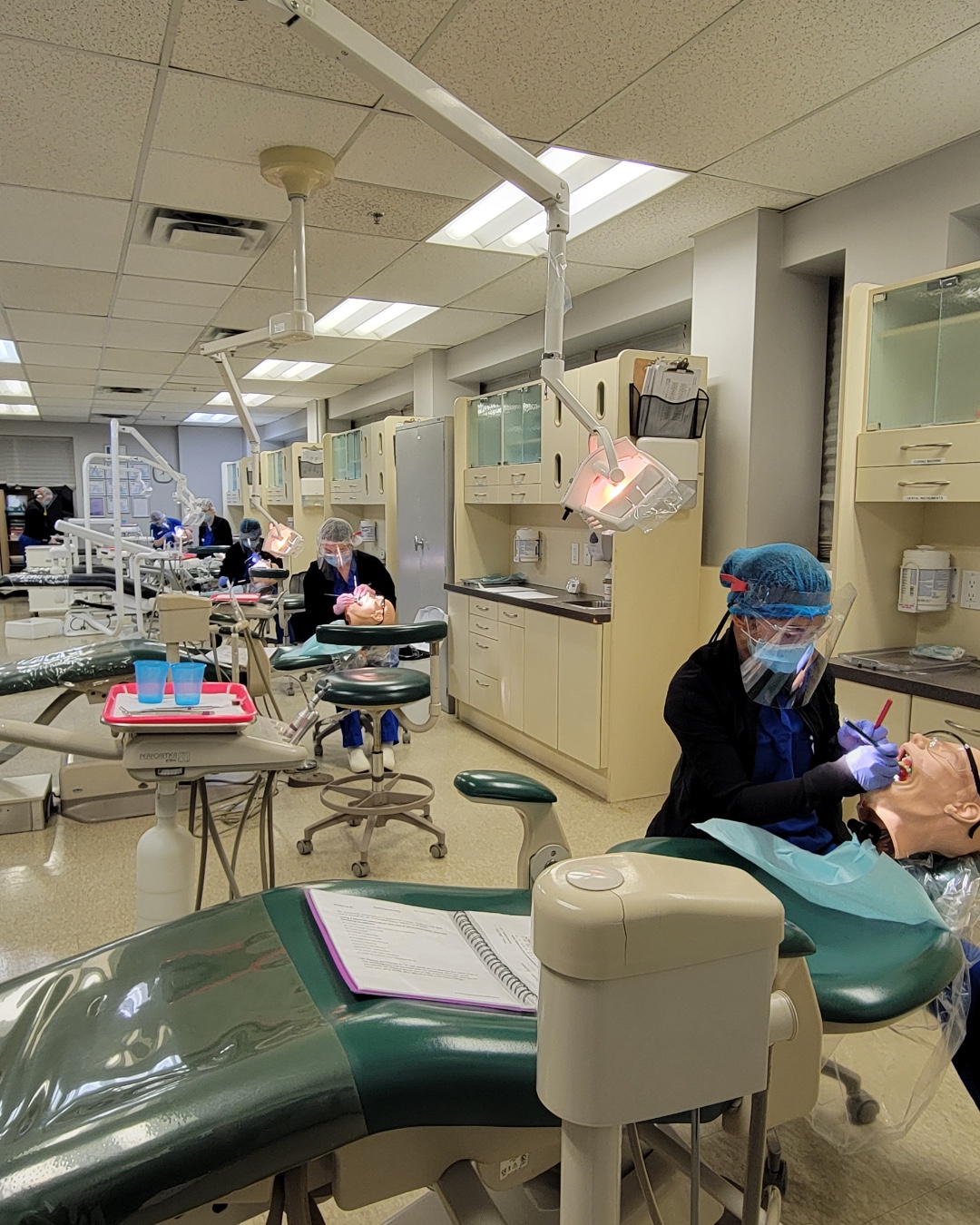
The first step is completing a program accredited by the Commission on Dental Accreditation of Canada (CDAC). Accreditation is essential. Without it, you cannot write the national exam or become certified. Most Dental Assistant Programs in British Columbia take approximately one year to complete and include both classroom instruction and hands on clinical training. Students study subjects such as dental anatomy, infection control, radiography, chairside assisting techniques, dental materials, and office procedures. High quality programs include extensive clinical practice through on campus dental clinics and external practicums in real dental offices.
Step 2: Pass the NDAEB Exam
After graduating, students must pass the National Dental Assisting Examining Board (NDAEB) written exam. This exam assesses knowledge, safety, and competency across all core areas of dental assisting. Passing the NDAEB confirms that a graduate meets the national standard required to practise as a dental assistant in Canada.
Step 3: Register with the BC College of Oral Health Professionals
Once the NDAEB exam is passed, graduates apply for registration with the BC College of Oral Health Professionals. Registration allows you to practise legally as a Certified Dental Assistant in BC. Ongoing requirements include annual renewal, continuing education, and periodic criminal record checks to maintain professional standards.
Dental Assistant Program at CDI College BC
One well known option for students pursuing a Dental Assistant Program in British Columbia is the Dental Assisting Diploma at CDI College BC. The program is designed to prepare students for certification, employment, and long-term success in dental clinics.
Program Details
The Dental Assistant Program at CDI College BC is a 55-week diploma program that combines theory, lab instruction, and extensive hands-on practice. A key feature of the program is its 615 hours of clinical experience, which includes:
- 440 hours of direct practice in an on campus dental clinic
- 175 hours across two mandatory external practicums at local dental clinics
This structure allows students to develop confidence with real equipment, real procedures, and real patients before graduating. The curriculum covers chairside assisting, radiology, infection control, dental materials, pharmacology, dental office management, and professional ethics. Graduates are prepared for both the clinical and administrative demands of modern dental practices. The program is approved by the Private Training Institutions Regulatory Unit of British Columbia and accredited by the Commission on Dental Accreditation of Canada, making graduates eligible to write the NDAEB exam.
NDAEB Success
Exam readiness is one of the clearest indicators of a strong dental assisting program. Over the years, the Dental Assisting program at CDI College has built a respected reputation among dental professionals, accreditation bodies, and industry peers across the regions where it is offered. The program has been consistently described by accreditation surveyors as well run and successful.
Beyond recognition, CDI College measures program quality through long term certification exam outcomes. Since receiving initial CDAC accreditation in 2006, NDAEB results have been tracked for every graduating cohort and compared with national benchmarks.
Key outcomes include:
- NDAEB results tracked across nearly twenty years
- Performance data representing over three thousand exam writers across six campuses
- A strong first attempt pass rate sustained over time
- An overall pass rate of 98.6 percent when repeat attempts are included
- Graduate scores that consistently perform above the NDAEB passing standard and national averages
These results reflect a sustained focus on quality instruction, faculty expertise, structured exam preparation, and student support throughout the Dental Assisting program.
Career Preparation and Support
Beyond academics, the Dental Assistant Program at CDI College BC emphasizes professional readiness. Students gain experience working within clinical teams, communicating with patients, and managing real world workflows. This preparation helps graduates transition smoothly into employment after certification.
Final Thoughts
The Dental Assistant Program in British Columbia offers a direct and achievable path into health care for students who want meaningful work, professional recognition, and long-term stability. With strong demand across the province, competitive wages, and a clear certification process, dental assisting continues to be a practical career choice.
By completing an accredited program, passing the NDAEB exam, and registering with the provincial regulator, graduates can work confidently as Certified Dental Assistants in a variety of clinical settings. Whether you are a recent high school graduate, a mature student, or someone looking to change careers, dental assisting in BC provides a structured, respected, and rewarding opportunity to build a future in health care.